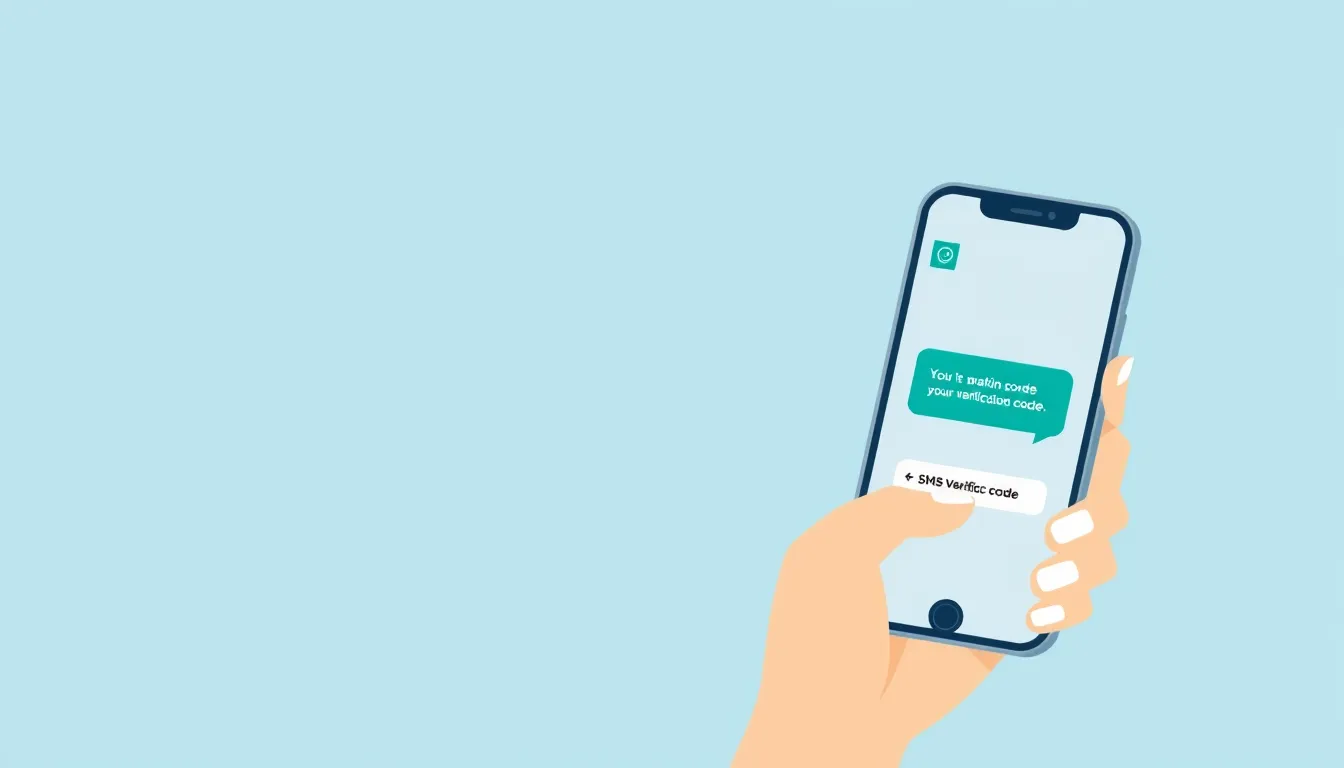
Receiving a Dent verification code in the United States requires an active, capable mobile number that can accept standard text messages from automated short-code services. When you enter your phone number into the Dent app to set up an account or confirm a transaction, the platform dispatches a one-time password (OTP) via short message service (SMS). If that code fails to arrive within sixty seconds, you usually face an expired session and have to restart the registration flow.
Quick answer
To receive a Dent verification code in the USA, make sure your mobile number can accept international short-code traffic and isn't blocked by carrier spam filters. If your primary carrier blocks automated OTP messages, private virtual numbers from providers like Codesverify offer a reliable alternative for receiving verification texts without exposing your personal phone line.
Understanding the Dent Verification Flow
The verification process for Dent follows a standard security pattern used by most global mobile data and eSIM platforms. You download the app, enter your phone number with the appropriate country prefix (+1 for the United States), and wait for the system to generate a numeric code. This code confirms that you hold physical or digital control over the line provided.
Most issues with receiving these codes stem from how US mobile carriers handle incoming messages from international gateways. Major networks like AT&T, Verizon, and T-Mobile use strict automated spam filters. If an SMS gateway sends too many validation messages from a single pool, carrier firewalls might drop the inbound text entirely without notifying your device. You will simply stare at an empty messaging inbox while the on-screen countdown timer expires.
Common Reasons Why Your Dent Code Isn't Arriving
Pinpointing why an SMS verification fails saves you from endless trial and error. Here are the most frequent bottlenecks:
- Carrier filtering flags the sender ID as potential automated spam.
- Poor cellular reception delays message delivery past the validity window.
- Network congestion during peak hours slows down international short-code routing.
- Using a VoIP (voice over internet protocol) number that the platform's security system automatically rejects.
T-Mobile's short-code filter drops OTPs from unregistered 6-digit senders about two seconds after arrival in some cases. You might see a flash notification on your screen, but opening the messaging app reveals nothing because the carrier security layer intercepted and deleted the message instantly.
Choosing the Right Number Type for Verification
Not all phone numbers are treated equally by modern verification systems. Platforms maintain internal databases that flag number ranges as mobile, landline, or VoIP. Standard mobile carrier numbers from major US providers generally pass initial checks, but they tie your personal identity directly to the account. Landline numbers often fail because they cannot receive SMS text messages natively unless text-to-landline forwarding is enabled by the telecom provider.
Virtual numbers designed specifically for SMS verification bridge the gap between privacy and functionality. These numbers operate on real carrier networks rather than standard internet-phone protocols, allowing them to receive inbound activation codes successfully. For users who want to keep their personal SIM cards private, services like Codesverify provide dedicated options for managing verification texts across various international platforms.
Step-by-Step Troubleshooting for Delayed Codes
If you have entered your USA number into Dent and the code is missing, work through these practical troubleshooting steps before requesting another token:
- Check your device storage. A full device memory can prevent inbound SMS storage.
- Toggle airplane mode on and off to force your phone to reconnect to the nearest cell tower and flush pending network queues.
- Verify that you entered the correct country code (+1) and didn't accidentally include a leading zero in the local exchange code.
- Wait at least two full minutes before tapping the resend button. Requesting multiple codes in rapid succession triggers rate-limiting security locks that freeze your number for up to twenty-four hours.
One candid limitation to keep in mind is that automated systems occasionally experience server-side outages. If Dent is upgrading its SMS gateway provider, no amount of carrier troubleshooting will force a code through until their internal servers are fully operational again.
Frequently Asked Questions
Why does Dent say my phone number is invalid?
This usually happens when the formatting is incorrect or the system detects a blacklisted VoIP prefix. Ensure you are selecting the United States (+1) country code and typing a standard 10-digit subscriber number without extra punctuation.
Can I use a landline number to receive a Dent verification code?
No, standard landlines cannot process incoming SMS messages unless your landline provider offers a specialized voice-to-text transcription service, which rarely works reliably with automated OTP systems.
How long are Dent verification codes valid?
Most verification codes remain active for between sixty seconds and three minutes. Entering an expired code results in an error message, requiring you to request a fresh token from the app.
What should I do if I hit the maximum resend limit?
If you request too many codes in a short timeframe, the platform temporarily locks your number out for security reasons. You will need to wait a few hours before attempting the registration process again.
Do virtual numbers work for Dent verification?
Yes, provided the virtual number is backed by real carrier routing and not basic internet telephony. Non-VoIP virtual numbers bypass strict carrier blocks while maintaining high delivery rates.
Is it safe to use a third-party number service for SMS verification?
Using a dedicated number service protects your personal privacy by keeping your primary mobile line off marketing lists and databases. Always select reputable providers that ensure data privacy for inbound messages.
Related guides
- How to Receive a Mintvine Verification Code in the USA (2026)
- How to Receive a Bitwage Verification Code in the USA (2026)